
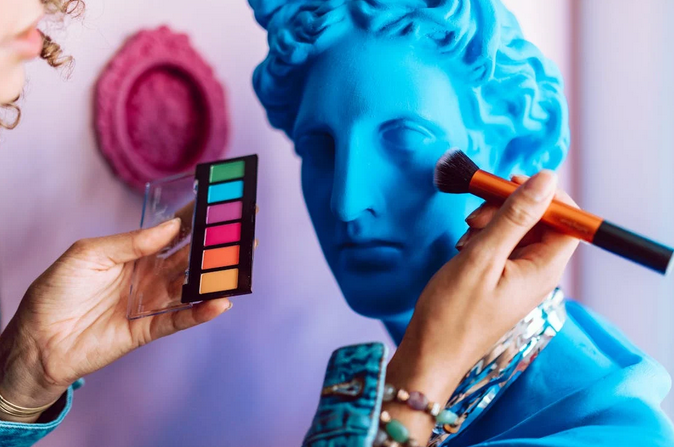
Music has always been more than sound. It shapes how people dress, move, and express themselves. Every music era carries a visual identity that mirrors its cultural rhythm. References like run around blues traveler meaning remind us how deeply lyrics and emotion can influence both sound and style. Beauty trends, from makeup to hairstyles, have evolved alongside melodies and lyrics. They reflect emotion, rebellion, and social change. Understanding how beauty and music intertwine reveals why every generation looked as distinctive as it sounded.
The 1950s: The Birth of Pop Glamour
The 1950s introduced a sense of optimism after years of global uncertainty. Music icons like Elvis Presley and Doris Day embodied a polished yet approachable charm. Women embraced soft curls, winged eyeliner, and red lips as symbols of confidence and femininity. Men adopted slicked hair and clean looks inspired by rock ’n’ roll coolness. The beauty of this era was rooted in refinement, perfectly aligned with pop’s cheerful energy. It marked the beginning of style as a partner to sound.
The 1960s: Mod Revolution and Youth Expression
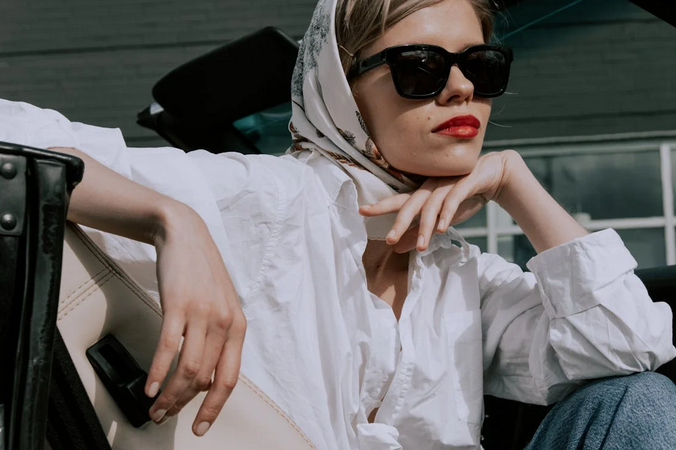
The 1960s broke tradition. Music was louder, bolder, and more experimental, and beauty followed suit. British pop acts like The Beatles and The Rolling Stones inspired a youth-driven fashion movement. Twiggy’s graphic eyeliner and pale lips defined the mod look, edgy yet playful. Hairstyles grew geometric and daring. Beauty became a language of rebellion against conformity. The connection between self-expression and sound became unmistakable, shaping a new kind of visual freedom.
The 1970s: Disco Lights and Natural Vibes
The 1970s were a decade of extremes. Disco brought shimmering eyeshadow, glossy lips, and glowing skin to the forefront. Studio 54 was more than a nightclub; it was a beauty runway. At the same time, the folk and rock scenes leaned toward natural, free-spirited aesthetics. Long hair, minimal makeup, and sun-kissed skin represented authenticity. The contrast showed how diverse musical movements could define beauty ideals. Every sound had a look, and every look told a story.
The 1980s: Loud Music, Louder Makeup
The 1980s had no interest in subtlety. Music videos exploded, making visual identity essential to success. Artists like Madonna, Prince, and David Bowie turned makeup into performance art. Neon shadows, heavy blush, and bold lip colors dominated. Beauty became theatrical and unapologetically experimental. The synergy between pop and glam rock created a culture of fearless self-expression. To stand out, you had to look electric. It was an era that celebrated individuality in its most colorful form.
The 1990s: Grunge Meets Minimalism
When the 1990s arrived, the mood shifted. Grunge, hip-hop, and R&B defined the soundscape, and beauty evolved with it. The grunge scene favored undone hair, dark eyeliner, and muted lips, echoing a sense of emotional rawness. Meanwhile, supermodels like Naomi Campbell and Kate Moss led a minimalist beauty wave with barely-there makeup and natural tones. Music videos from TLC or Aaliyah introduced sleek, polished styles that influenced global fashion. The decade proved that simplicity could be just as powerful as extravagance.
The 2000s: Pop Perfection and Digital Shine
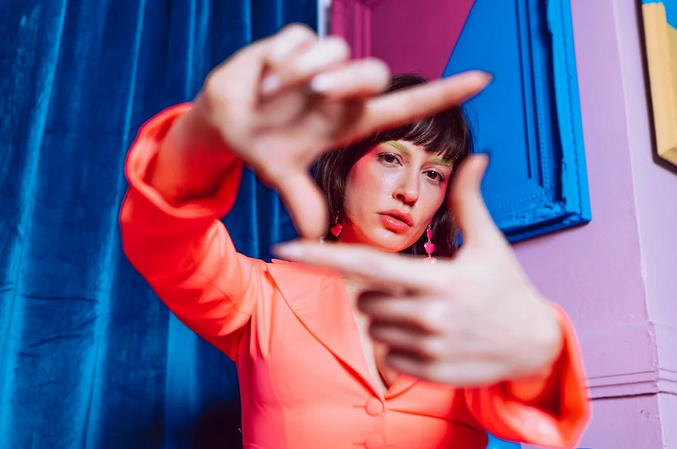
The new millennium brought pop stars who looked as polished as their auto-tuned hits. Think glossy lips, frosted eyeshadow, and flat-ironed hair. Britney Spears, Christina Aguilera, and Jennifer Lopez defined early 2000s glam. Beauty trends became highly commercialized, blending celebrity influence with mass-market accessibility. The rise of digital media meant artists needed looks that photographed well under studio lights. It was a time when image became as vital as melody, and beauty brands quickly followed suit.
The Modern Era: Blending Genres and Identities
Today’s beauty trends are fluid, much like modern music itself. Artists blend genres, cultures, and aesthetics effortlessly. From Billie Eilish’s minimalist grunge to Doja Cat’s avant-garde transformations, the beauty world reflects constant reinvention. The goal is not to fit in but to stand out. Makeup, hair, and fashion serve as visual instruments of self-definition. In this era, music and beauty share the same mission to celebrate what makes every artist and listener unique.
Bold colors, experimental eyeliner, and inclusive shades became the norm. Beauty was no longer dictated by one standard. It was about authenticity. The fusion of music and makeup reflected a more diverse, connected generation that valued creativity above perfection. This decade taught people to express who they truly were.…